


Latest Post
无标题文章
Operational Framework for HICLOVER Waste Inc
-
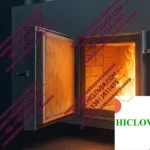
The Role of High-Temperature Incineration in Controlling Nipah Virus and Emerging Zoonotic Threats
The Role of High-Temperature Incineration in Controlling Nipah Virus and Emerging Zoonotic Threats
Emerging zoonotic viruses such as Nipah virus, Hendra-like viruses, and other high-fatality pathogens pose a persistent threat to public health systems, particularly in regions with close humanCanimal interaction, limited centralized waste infrastructure, and recurring outbreak risks.
One of the most overlooked yet critical control points in viral transmission chains is the handling and disposal of contaminated biological waste. In this context, high-temperature incineration plays a decisive role in blocking secondary transmission, protecting frontline personnel, and ensuring irreversible pathogen destruction.
This article explores how HICLOVER incinerator systems contribute to outbreak preparedness and long-term biosecurity strategies against Nipah virus and similar pathogens.
Understanding the Transmission Risk of Nipah-Like Viruses
Nipah virus is characterized by:
-
High fatality rates
-
Zoonotic spillover (often from bats or livestock)
-
Human-to-human transmission via bodily fluids
-
Environmental persistence in contaminated materials
During outbreaks, waste streams become amplification vectors, including:
-
Contaminated PPE (masks, gloves, gowns)
-
Medical disposables and sharps
-
Animal carcasses or tissues
-
Laboratory residues and diagnostic consumables
If these materials are stored, transported, or treated inadequately, they may reintroduce viral exposure to healthcare workers, sanitation staff, and surrounding communities.
Why High-Temperature Incineration Is Non-Negotiable
1. Irreversible Virus Destruction
HICLOVER incinerators operate with controlled high-temperature combustion, typically:
-
Primary chamber: >850 °C
-
Secondary chamber (afterburner): >1,100 °C
At these temperatures:
-
Viral RNA and protein structures are fully denatured
-
No survival or regrowth pathway exists
-
Complete thermal inactivation is achieved
Unlike chemical disinfection or burial, thermal incineration leaves no biological uncertainty.
2. Blocking the Transmission Chain at the Source
A key outbreak-control principle is early interruption.
On-site incineration ensures:
-
No off-site transport of infectious waste
-
No intermediate handling or repackaging
-
No accumulation of hazardous materials
This directly cuts off secondary transmission routes, especially in:
-
Rural hospitals
-
District-level isolation centers
-
Temporary epidemic response camps
Personnel Protection and Operational Safety
Reduced Human Contact
HICLOVER incinerators are designed to:
-
Accept sealed waste containers or bagged waste
-
Minimize manual sorting
-
Support batch or scheduled operation
This reduces:
-
Direct exposure of staff
-
Repeated handling steps
-
Risk of accidental leakage or spills
Controlled Combustion & Enclosed Systems
Key design principles include:
-
Negative-pressure combustion chambers
-
Enclosed feeding and ash discharge
-
Stable ignition and flame control
These features protect:
-
Operators
-
Maintenance personnel
-
Adjacent healthcare workers
Decentralized, Small-Scale Deployment for Epidemic Control
Why Centralized Facilities Are Not Enough
In many Nipah-risk regions:
-
Centralized treatment plants are distant
-
Transport infrastructure is weak
-
Emergency response must be local
HICLOVER incinerators support distributed installation, including:
-
County and district hospitals
-
Field isolation units
-
Veterinary control stations
-
Border quarantine points
This small-footprint, point-of-generation disposal model is far more resilient during outbreaks.
Application Scenarios Beyond Human Healthcare
Nipah virus and similar pathogens often involve animal reservoirs.
Incineration is equally critical for:
-
Livestock carcass disposal
-
Wildlife surveillance waste
-
Veterinary PPE and sampling waste
HICLOVER systems are adaptable for:
-
Animal waste incineration
-
Mixed medical and biological waste
-
Emergency culling operations
Environmental Safety and “No Secondary Pollution”
Proper incineration is not only about destruction but also controlled emissions.
HICLOVER systems emphasize:
-
Stable secondary combustion for smoke oxidation
-
Low-odor operation
-
Configurable flue-gas treatment options
This ensures:
-
Community acceptance
-
Compliance with health-sector environmental expectations
-
Safe operation even near populated areas
A Long-Term Biosecurity Investment, Not a Temporary Measure
Preparedness Over Reaction
Outbreaks are not one-time events.
Investing in incineration infrastructure means:
-
Readiness before the next outbreak
-
Reduced emergency procurement costs
-
Faster response without external dependency
Multi-Use Value
Even outside epidemic periods, incinerators support:
-
Routine medical waste disposal
-
Veterinary biosecurity programs
-
Laboratory and research waste treatment
This makes the system economically and operationally sustainable.
Conclusion: Incineration as a Core Pillar of Epidemic Defense
For high-risk pathogens such as Nipah virus, waste is not a side issue―it is a frontline issue.
High-temperature incineration provides:
-
Absolute pathogen destruction
-
Immediate transmission blocking
-
Personnel and community protection
-
Flexible, decentralized deployment
-
Long-term public health value
By integrating HICLOVER incinerator systems into healthcare and biosecurity planning, authorities and institutions strengthen their defenses not only against today’s outbreaks, but against the unknown threats of tomorrow.
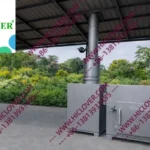
Incinerator Suppliers in Zambia: A Reliable Waste Incinerator Strategy for Mines, Cities, and Healthcare Sites
Incinerator Suppliers in Zambia: A Reliable Waste Incinerator Strategy for Mines, Cities, and Healthcare Sites
Across Southern Africa, Zambia is accelerating infrastructure development, strengthening public health systems, and expanding industrial activity—especially in mining corridors and growing urban areas. At the same time, waste management pressure is increasing, driven by population growth, packaging consumption, and higher expectations for environmental responsibility.
This is why more buyers are actively searching for incinerator suppliers in Zambia. They are not only looking for a machine, but for a dependable waste incinerator solution that can operate consistently under real conditions: mixed waste streams, limited staffing, remote project locations, and long logistics chains.
This article explains what matters when selecting incinerator suppliers in Zambia, and how HICLOVER supports practical, factory-direct supply for local projects.
Why Zambia Needs Practical On-Site Waste Incineration
In many Zambian regions, transporting waste to centralized disposal facilities can be costly and inefficient—especially for remote mines, construction camps, district hospitals, and cross-border logistics points. Meanwhile, open dumping and uncontrolled burning create visible smoke, odors, and sanitation risks.
A properly designed waste incinerator can help solve these problems by enabling:
-
On-site waste volume reduction
-
Cleaner site hygiene and pest control
-
Reduced transport frequency and disposal cost
-
Better safety for sensitive waste handling
-
Improved compliance readiness for ESG and environmental programs
With international investment and corporate sustainability requirements expanding, waste management is increasingly treated as part of operational reputation—not just site maintenance.
High-Demand Waste Incinerator Applications in Zambia
When procurement teams and project owners evaluate incinerator suppliers in Zambia, they usually focus on specific, high-need scenarios:
Mining Camps and Industrial Operations
Zambia’s mining zones generate daily domestic waste from camps and workshops: food waste, packaging, mixed refuse, and maintenance consumables. A reliable incinerator reduces waste buildup and improves site order, especially where landfill access is limited.
Municipal and Community Waste Support
Urban growth increases daily waste loads, including plastic packaging and mixed household waste. Incineration helps reduce landfill dependence and provides a controlled alternative where space and transport are ongoing challenges.
Hospitals, Clinics, and District Health Facilities
Healthcare locations face continuous waste streams that require hygiene-focused handling. A stable incineration solution supports infection control strategies and strengthens local health system operations.
Remote Construction and Infrastructure Projects
Road works, power projects, and pipeline or water infrastructure sites often operate far from established waste collection services. On-site waste incineration provides a practical tool for maintaining clean, compliant camps.
What to Look For When Comparing Incinerator Suppliers in Zambia
Buyers in Zambia need equipment that performs consistently—not equipment that only looks good on paper. A supplier should demonstrate real manufacturing capability and support logic.
Key evaluation points include:
-
Durable structure for long-term daily operation
-
Stable combustion performance for variable waste composition
-
Operator-friendly automation for consistent results
-
Modular design for easier deployment and relocation
-
Export-ready packaging, documentation, and spare parts planning
-
Clear configuration options based on waste type and capacity needs
For Zambia projects, practical reliability matters more than complicated features that are difficult to maintain locally.
HICLOVER Waste Incinerator: Factory Supply Built for Zambia Conditions
HICLOVER is a professional waste incinerator manufacturer providing export-ready solutions for international buyers. For Zambia, HICLOVER focuses on the issues that repeatedly affect real projects: logistics, manpower limits, mixed waste profiles, and long-term serviceability.
Explore HICLOVER product solutions and factory supply capacity here:
https://www.hiclover.com/
Modular and Installation-Friendly: Fast Deployment for Mines and Remote Sites
Many Zambian buyers—especially mining operations and contractors—prefer incinerator solutions that avoid complex civil works and long assembly cycles. A modular approach reduces operational downtime and allows faster commissioning.
HICLOVER supports modular deployment concepts that help deliver:
-
Faster installation with reduced on-site workload
-
Easier relocation for staged projects and temporary camps
-
More predictable commissioning for contractor timelines
-
Cleaner project planning with simplified site integration
For mines and infrastructure projects, time is a cost. Modular deployment helps control both time and risk.
Automation That Improves Consistency and Reduces Operator Error
One of the most common reasons incinerators fail is inconsistent operation: incorrect loading practices, unstable ignition, or repeated overheating and shutdown cycles. Zambia projects often rely on small teams, where operators must manage multiple responsibilities.
HICLOVER waste incinerators can be configured with practical automation functions such as:
-
Controlled ignition and stable combustion sequence
-
Temperature monitoring and safety interlocks
-
Simplified operator logic for daily routines
-
Repeatable performance for variable waste conditions
This is especially valuable for healthcare sites and mining camps where waste composition changes day to day.
Technical Strength for Mixed Waste and Real Operational Pressure
Zambia’s waste profile often includes a combination of organics, packaging, plastics, and daily consumables. A good waste incinerator must handle variation without constant adjustment.
HICLOVER solutions emphasize:
-
Stable combustion design for mixed waste
-
Durable materials and long service structure
-
Flexible fuel configurations depending on local planning
-
Optional pollution-control configurations (project dependent)
-
Export-standard manufacturing and quality checks
This approach supports long-term reliability in locations where advanced maintenance teams may not be available.
Why Factory-Direct Supply Matters in Zambia Procurement
When selecting incinerator suppliers in Zambia, the supplier’s real strength is often more important than the brochure specifications. Factory-direct manufacturers provide clearer accountability and stronger long-term support.
Typical factory supply advantages include:
-
Stable lead time and consistent build quality
-
Clear technical documentation and configuration guidance
-
Better spare parts continuity and service logic
-
Customization flexibility for mining, healthcare, or municipal projects
-
Reduced risk of intermediary-driven miscommunication
For Zambia buyers working under strict budgets, tender frameworks, or ESG reporting requirements, reducing supplier uncertainty is an immediate value.
Inserted Search Link (Keyword B)
https://www.google.com/search?q=incinerator+suppliers+in+Zambia
Conclusion: A Waste Incinerator Solution Zambia Can Rely On
Zambia’s growth in mining, healthcare capacity, and infrastructure development brings higher expectations for waste control and environmental responsibility. A robust waste incinerator can support cleaner sites, lower disposal pressure, and stronger operational hygiene—especially in remote or high-demand areas.
When comparing incinerator suppliers in Zambia, choose a manufacturer that can deliver stable combustion performance, modular deployment, and operator-friendly automation—backed by real production capability.
HICLOVER provides factory-direct export supply for practical incinerator projects worldwide:
https://www.hiclover.com/
Résumé (FR)
En Zambie, un waste incinerator fiable est essentiel pour les mines, les hôpitaux et les projets éloignés. En recherchant incinerator suppliers in Zambia, il est préférable de choisir un fabricant capable d’assurer une fourniture stable, une solution modulaire et une automatisation simple à exploiter. HICLOVER propose des équipements orientés export : https://www.hiclover.com/
Resumen (ES)
En Zambia, un waste incinerator robusto ayuda a controlar residuos en minas, hospitales y sitios remotos. Al buscar incinerator suppliers in Zambia, conviene elegir un fabricante con capacidad real de producción, despliegue modular y automatización práctica. HICLOVER ofrece soluciones para compradores internacionales: https://www.hiclover.com/
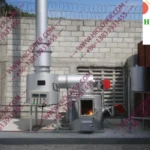
HICLOVER Four-Chamber High-Temperature Incinerator ― Staged Combustion for Cleaner, Low-Odor Waste Disposal
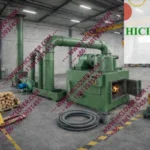
HICLOVER Four-Chamber High-Temperature Incinerator ― Staged Combustion for Cleaner, Low-Odor Waste Disposal
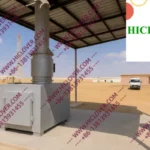
The HICLOVER Four-Chamber Incinerator is a high-temperature waste incineration system designed for medical/infectious waste, animal remains, and mixed solid waste. Built on a four-chamber, multi-stage combustion architecture, it is engineered to deliver complete oxidation, low odor operation, and stable performance for demanding field and institutional applications.
Compared with basic incinerator layouts, the four-chamber design creates a controlled step-by-step thermal process: primary combustion, flue-gas conditioning and residence stabilization, enhanced mixing, and secondary high-temperature oxidation. This staged combustion logic helps improve burnout quality, reduce visible smoke and odor, and keep flue-gas conditions more consistent before downstream treatment.
The system integrates PLC automatic control for safer, more repeatable operation, and offers modular flue-gas treatment options (dry or wet) to match different compliance levels and site conditions. An optional heat recovery solution is available to improve energy efficiency and reduce operating cost for long-duty projects.
Key benefits: four-chamber staged combustion, stable high-temperature oxidation, upgradeable emission control, PLC automation, and optional energy-saving heat recovery.
Incinerator Suppliers in Algeria: Industrial Waste Incinerator Solutions from a Direct Manufacturer
Incinerator Suppliers in Algeria: Industrial Waste Incinerator Solutions from a Direct Manufacturer
As Algeria continues to invest in environmental protection, healthcare infrastructure, and industrial compliance, the demand for reliable waste incinerator systems is steadily increasing. Government hospitals, private clinics, oil & gas facilities, industrial zones, and municipal authorities are all seeking stable, efficient, and regulation-oriented thermal treatment solutions.
For project owners and contractors evaluating incinerator suppliers in Algeria, selecting a factory-level manufacturer with proven export experience, standardized designs, and flexible configurations is a critical decision factor.
Why “Incinerator Suppliers in Algeria” Is a Strategic Search Term
Procurement teams in Algeria increasingly search for incinerator suppliers in Algeria rather than generic equipment traders. The intention is clear:
-
Preference for direct factory supply
-
Demand for industrial-grade waste incinerators, not lab or pilot units
-
Need for customized configurations adapted to local operating conditions
-
Focus on automation, emission control, and long-term reliability
This trend aligns with wider North African and Mediterranean environmental policies, where waste treatment projects emphasize durability, traceability, and lifecycle cost control rather than short-term pricing.
You can explore current global search results for this topic here:
https://www.google.com/search?q=incinerator+suppliers+in+Algeria
HICLOVER: Factory-Based Waste Incinerator Manufacturer
HICLOVER is an industrial manufacturer specializing in waste incinerator systems for international markets, with extensive project references across Africa, the Middle East, and emerging economies.
Unlike trading companies or resellers, HICLOVER operates as a direct manufacturing supplier, offering:
-
Engineering-driven system design
-
Stable production standards
-
Transparent technical documentation
-
Export-oriented packing and logistics coordination
Official website: https://www.hiclover.com/
Waste Incinerator Applications Relevant to Algeria
HICLOVER incinerators are designed for a wide range of Algerian use scenarios:
-
Medical waste incinerators for hospitals and clinics
-
Industrial waste incinerators for factories, oil & gas sites, and utilities
-
Animal and veterinary waste incinerators
-
Municipal and controlled solid waste disposal
-
Emergency and remote-site incineration for desert or off-grid locations
These systems are engineered to operate reliably under high ambient temperatures, variable waste composition, and limited local infrastructure—conditions commonly encountered in Algeria.
Automation and Control: Reducing Operational Risk
Modern waste management projects demand more than simple combustion. HICLOVER incinerators integrate PLC-based automation systems to ensure:
-
Automatic temperature regulation
-
Controlled burner operation
-
Safety interlocks and alarm logic
-
Reduced operator dependency
-
Stable combustion cycles with minimal manual intervention
This automation approach directly supports Algeria’s move toward safer, standardized, and auditable waste treatment practices.
Mobile, Containerized, and Installation-Free Options
A key advantage when evaluating incinerator suppliers in Algeria is the availability of modular and mobile solutions.
HICLOVER provides:
-
Containerized incinerators (20ft / 40ft)
-
Skid-mounted and trailer-mounted systems
-
Plug-and-play, installation-free designs
-
Rapid deployment for temporary or phased projects
These solutions are particularly suitable for:
-
Remote industrial zones
-
Oil & gas camps
-
Temporary medical facilities
-
Pilot projects prior to permanent installations
Emission Control and Environmental Compliance
Environmental expectations in Algeria are evolving in line with global standards. HICLOVER waste incinerators can be configured with:
-
Dry flue gas filtration systems
-
Wet scrubbers and quench towers
-
Multi-stage gas treatment (scrubbing, neutralization, dust removal)
-
Secondary combustion chambers for complete gas oxidation
This modular emission control philosophy allows project owners to balance regulatory requirements, operational cost, and future upgrade potential.
Factory Supply Advantages Over Trading Channels
Choosing a factory-based supplier offers measurable long-term benefits:
-
Consistent quality control from design to fabrication
-
Clear responsibility for system performance
-
Easier spare parts and technical support
-
Better alignment for EPC and institutional tenders
For Algerian buyers, this translates into lower lifecycle risk and stronger project credibility.
Conclusion
For organizations searching for incinerator suppliers in Algeria, the market is shifting toward experienced manufacturers capable of delivering automated, modular, and export-ready waste incinerator systems. HICLOVER represents a factory-driven approach focused on engineering reliability, operational efficiency, and adaptability to Algerian project conditions.
Résumé en français
Les fournisseurs d’incinérateurs en Algérie privilégient de plus en plus des fabricants directs capables de proposer des incinérateurs de déchets fiables, automatisés et modulaires, adaptés aux hôpitaux, à l’industrie et aux zones isolées.
Resumen en español
Los proveedores de incineradores en Argelia buscan soluciones industriales de incineración de residuos con alto nivel de automatización, diseño modular y suministro directo de fábrica para proyectos médicos e industriales.